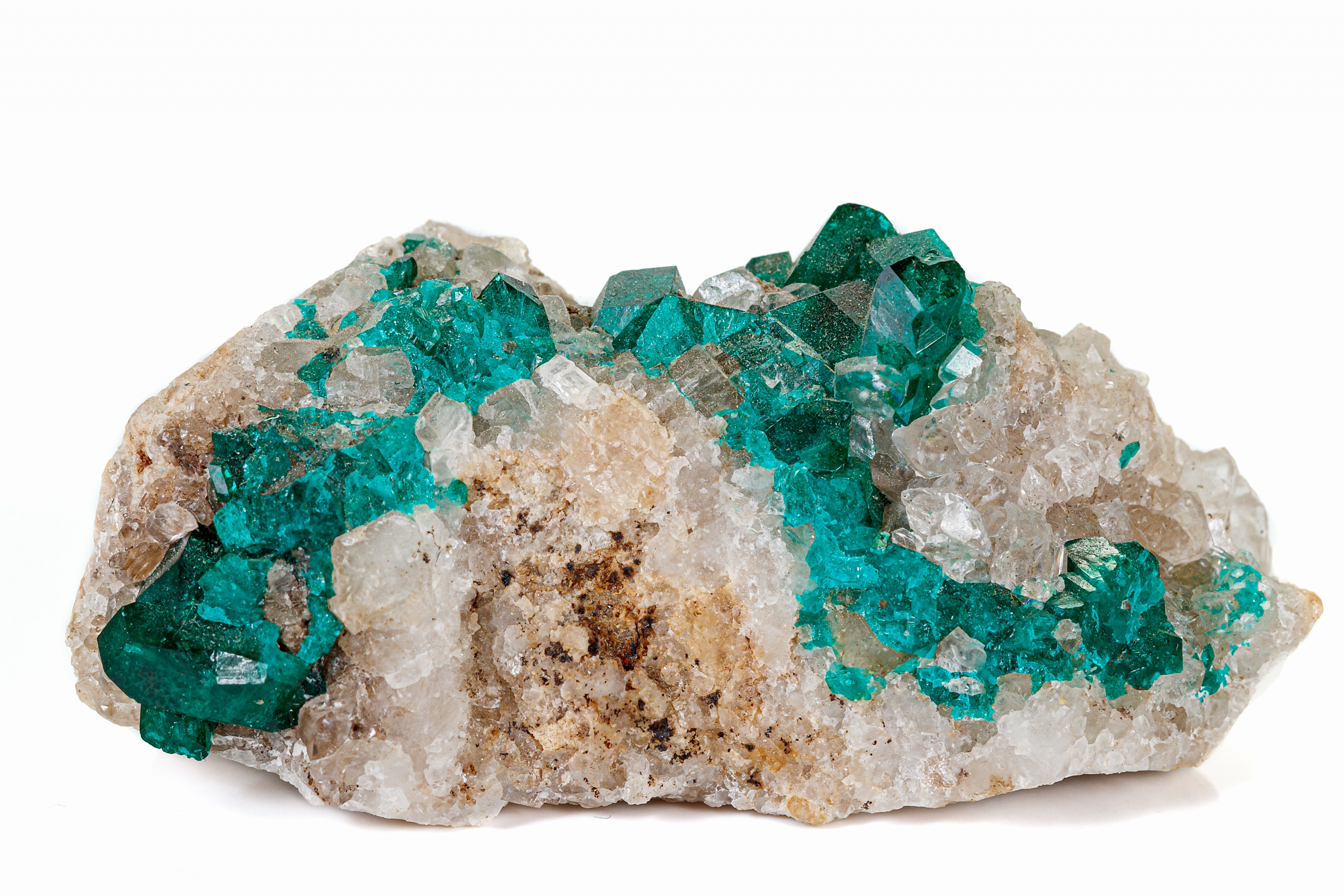

The formal definition of a mineral has five parts. A mineral is naturally occurring, inorganic, a solid, has a definite chemical composition, and has an ordered internal crystal structure. Those criteria are what the terminology post rock, mineral or crystal works through.
Run ice through them. Naturally occurring, plainly. Inorganic, yes: H2O contains no carbon-hydrogen bonds. Solid at its natural temperatures, yes. Definite composition, yes. Ordered crystal structure, yes: ordinary ice is hexagonal, one of the seven crystal systems.
Ice is a mineral. It is not a special case or a technicality, it passes every test cleanly. And once you accept that, the consequences are genuinely entertaining.
A glacier is a metamorphic rock
A rock is a naturally occurring aggregate of minerals. Snow accumulating and compacting under its own weight, recrystallising, losing pore space and coarsening its grain size is a textbook metamorphic process, driven by burial pressure, occurring in the solid state.
Glacier ice is coarse-grained, foliated in places, and it flows plastically under stress exactly as marble and salt do in the deep crust. Glaciologists borrow petrological vocabulary for it because the vocabulary genuinely fits.
And if ice is a rock, liquid water is a melt. Rain is precipitation of a melt onto the surface. A river is lava at the wrong temperature. This sounds like a joke and is not: the physics of how ice melts, flows and recrystallises is the same physics as silicate rock, just shifted several hundred degrees.
Snowflakes are crystals doing normal crystal things
Snowflakes are hexagonal because the ice lattice is hexagonal, the same relationship between internal structure and external form described in why crystals form perfect geometric shapes.
Their variety comes from growth conditions. Temperature and humidity determine whether a snowflake grows as a plate, a column, a needle or a dendrite, and a flake falling through changing layers of atmosphere records that journey in its shape. Ukichiro Nakaya mapped this experimentally in the 1930s and produced a diagram of habit against temperature and supersaturation that still holds.
A snowflake is a crystal habit diagram you can catch on a sleeve. And the branching dendritic form is a classic high-supersaturation outcome, exactly as described in nucleation: many rapid growth fronts, no time for flat faces.
Ice has polymorphs, and a lot of them
Ordinary ice is ice Ih, hexagonal. Under different pressures and temperatures water freezes into a long list of other structures, well past twenty named phases. These are polymorphs, the same relationship as calcite and aragonite or diamond and graphite.
Some of these phases are believed to make up much of the interiors of icy moons and of Uranus and Neptune. In planetary terms, high-pressure ice is a major rock-forming mineral, in the same way that bridgmanite is here.
Ice Ih is also one of the very few substances that expands on freezing, because its open hexagonal framework is less dense than the liquid. That single anomaly is why ice floats, why lakes freeze from the top down, and why freeze-thaw weathering is such a powerful force breaking rock apart.
The one mineral you cannot keep
Ice is the only common mineral whose melting point sits inside normal room conditions, which is why no collection contains a specimen of the most widely distributed mineral on the planet’s surface.
It also means everyone has watched crystal growth happen in real time, on a window in winter, which is more than can be said for the quartz points that took thousands of years to do the same thing.