
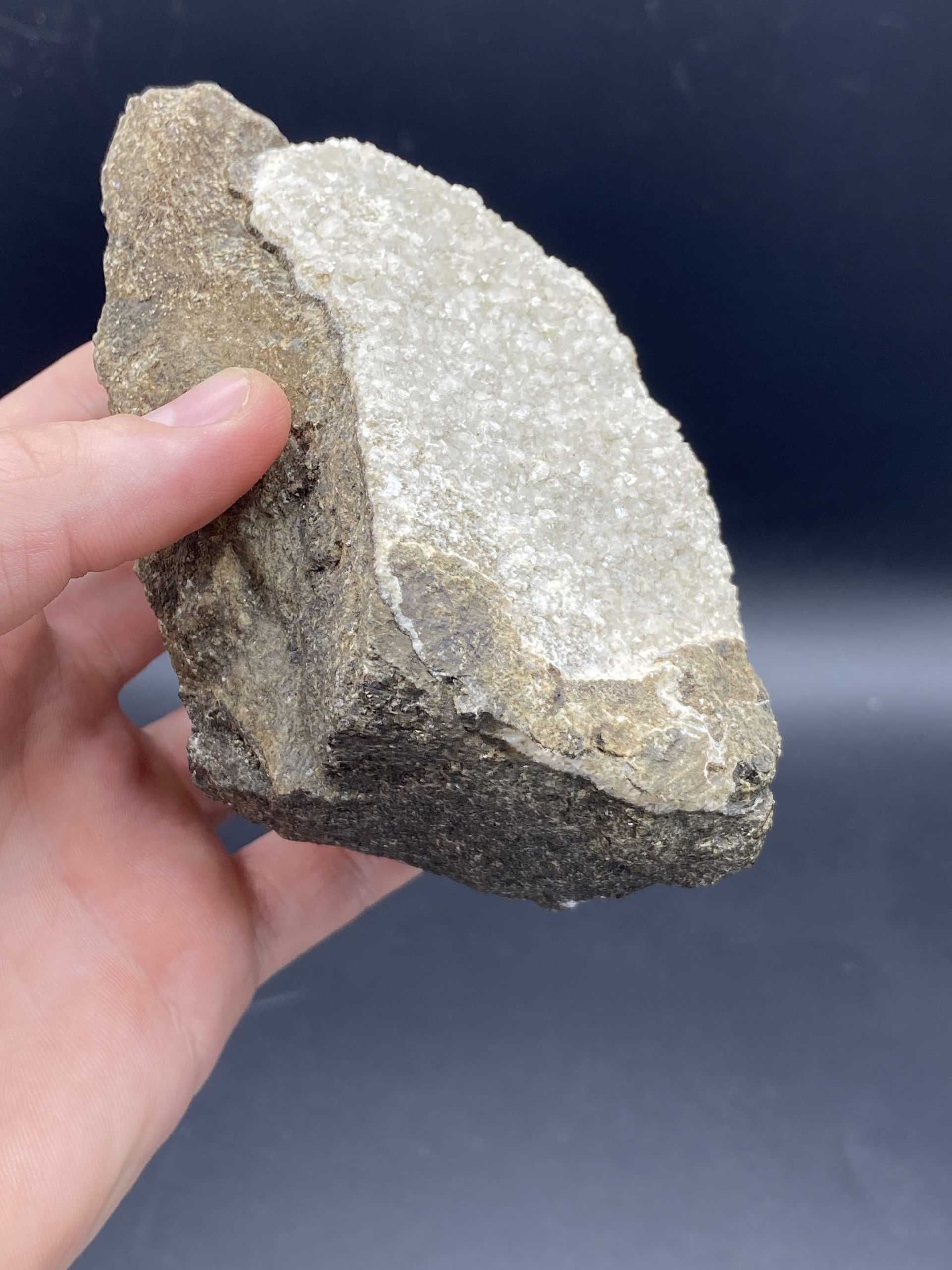
This quartz cluster was collected at Snake Hill (also known as Laurel Hill), a trap-rock outcrop in Hudson County, New Jersey, and part of the same Palisades basalt system responsible for the region’s other famous zeolite and quartz localities like Paterson and the Watchung Mountains. The site has a long history with local collectors, many of whom worked it before it became harder to access.
This specimen carries documented provenance from the David Mudry collection, assembled between the 1970s and 1990s — giving it a paper trail beyond just “New Jersey quartz,” which collectors who care about specimen history tend to value. Quartz (SiO₂) forms here in gas cavities within the cooling lava flow, the same general process behind the zeolites the region is known for. At Mohs hardness 7, it’s a durable, easy-care display piece — a soft, dry cloth is all it needs.
A solid pick for New Jersey locality collectors, especially those who value documented collection history alongside the mineral itself.
Inside the Quartz Crystal
One mineral species, a thousand looks — quartz is the shape-shifter of the mineral world.
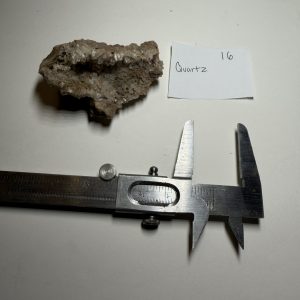
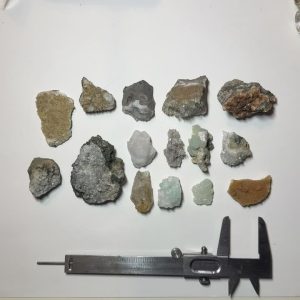
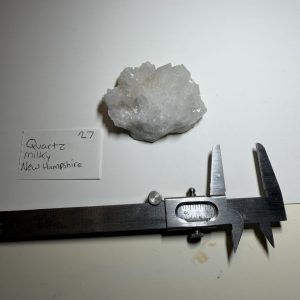
The story: Quartz is the second most abundant mineral in Earth’s crust, and it crystallizes in nearly every rock-forming environment on the planet — which is exactly why it shows up in this shop as clear points, milky clusters, smoky towers, ghostly phantoms, and druzy-crusted matrix, all built from the same simple formula.
Why collectors chase it: Because one species covers this much ground: a single collection can hold a dozen genuinely different-looking quartz pieces without ever repeating a mineral. Phantom growth lines, smoky color zoning, and druzy crusts each record a different chapter of how that particular crystal grew.
Care: Quartz shrugs off scratches and most chemicals at Mohs 7, but avoid sudden temperature swings (a hot dishwasher after a cold shelf can crack a large piece) and clean with a soft, dry cloth.
Reviews
There are no reviews yet.