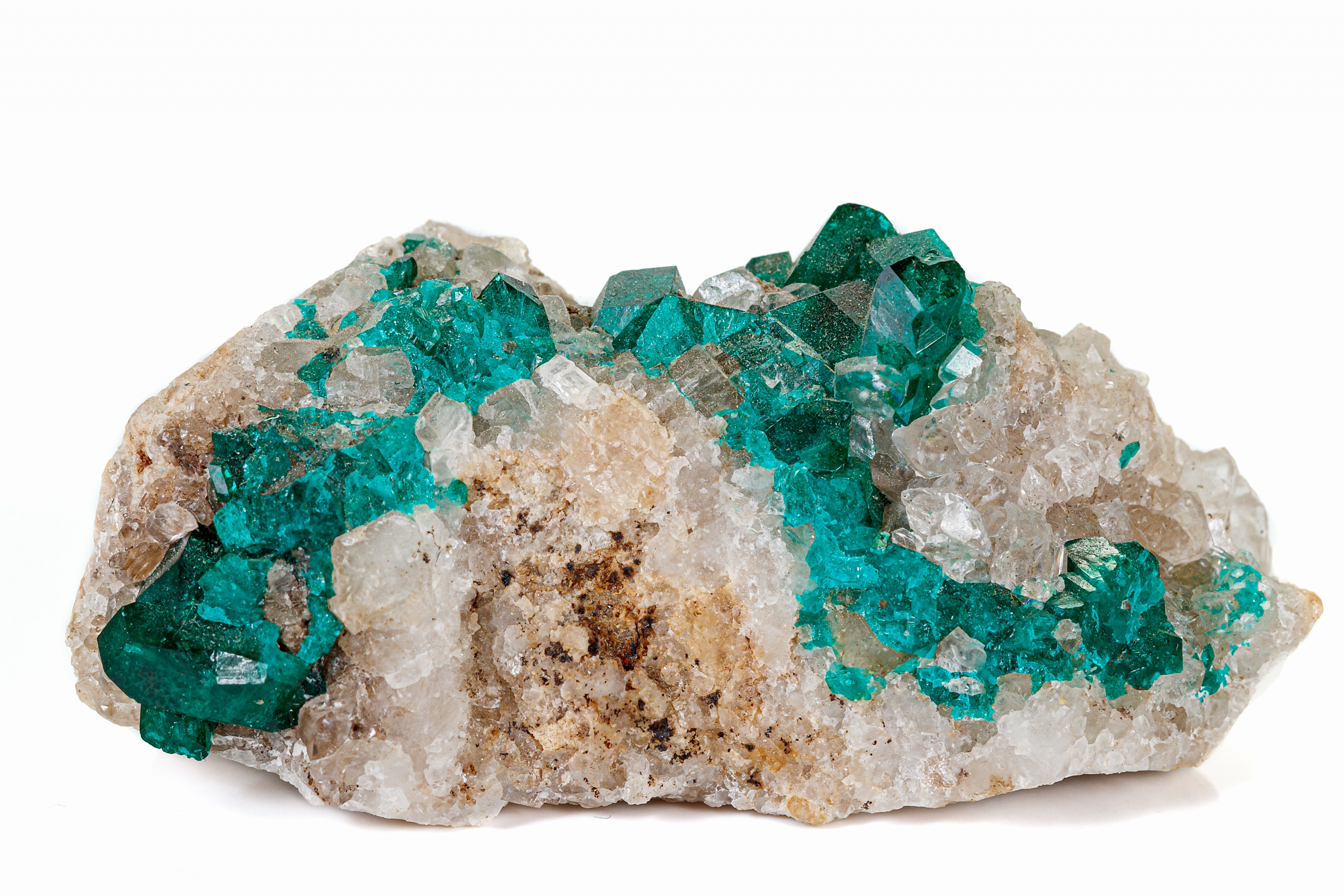

A lab-grown emerald and a natural one can share identical chemistry, identical crystal structure, and be genuinely difficult to tell apart without specialized equipment. Calling the lab-grown version “fake” misses what’s actually happening: it’s the same mineral, grown deliberately instead of by geological accident.
Same chemistry, controlled conditions
Synthetic crystal growth methods recreate, under controlled laboratory conditions, the same basic processes that occur in nature, just compressed into weeks or months instead of thousands or millions of years. Hydrothermal synthesis grows quartz in heated, pressurized mineral solutions, mimicking the same hydrothermal chemistry behind natural hydrothermal veins, while flux and flame-fusion methods grow corundum and other gem minerals from molten or dissolved raw materials cooling under tightly controlled conditions. The vast majority of quartz used in electronics and watch oscillators today is synthetic, grown specifically because industrial applications need chemical purity and dimensional consistency that natural material can’t reliably guarantee.
Where the real distinction lies
The meaningful difference between synthetic and natural isn’t authenticity, a synthetic ruby is genuinely, chemically ruby, it’s origin and, usually, price: natural material carries the scarcity and geological history that collectors and the gem trade pay a premium for, while synthetic material offers the same physical properties at a fraction of the cost. The real ethical and practical concern is disclosure, synthetic material sold without being identified as such, a different problem from the treated-material questions covered in our dyed, heated, and coated guide, though both ultimately come down to a buyer knowing exactly what they’re purchasing.
Reputable dealers disclose synthetic origin as a matter of course, and doing so doesn’t diminish what a synthetic stone actually is, genuine mineral material, just made on a human timeline instead of a geological one.