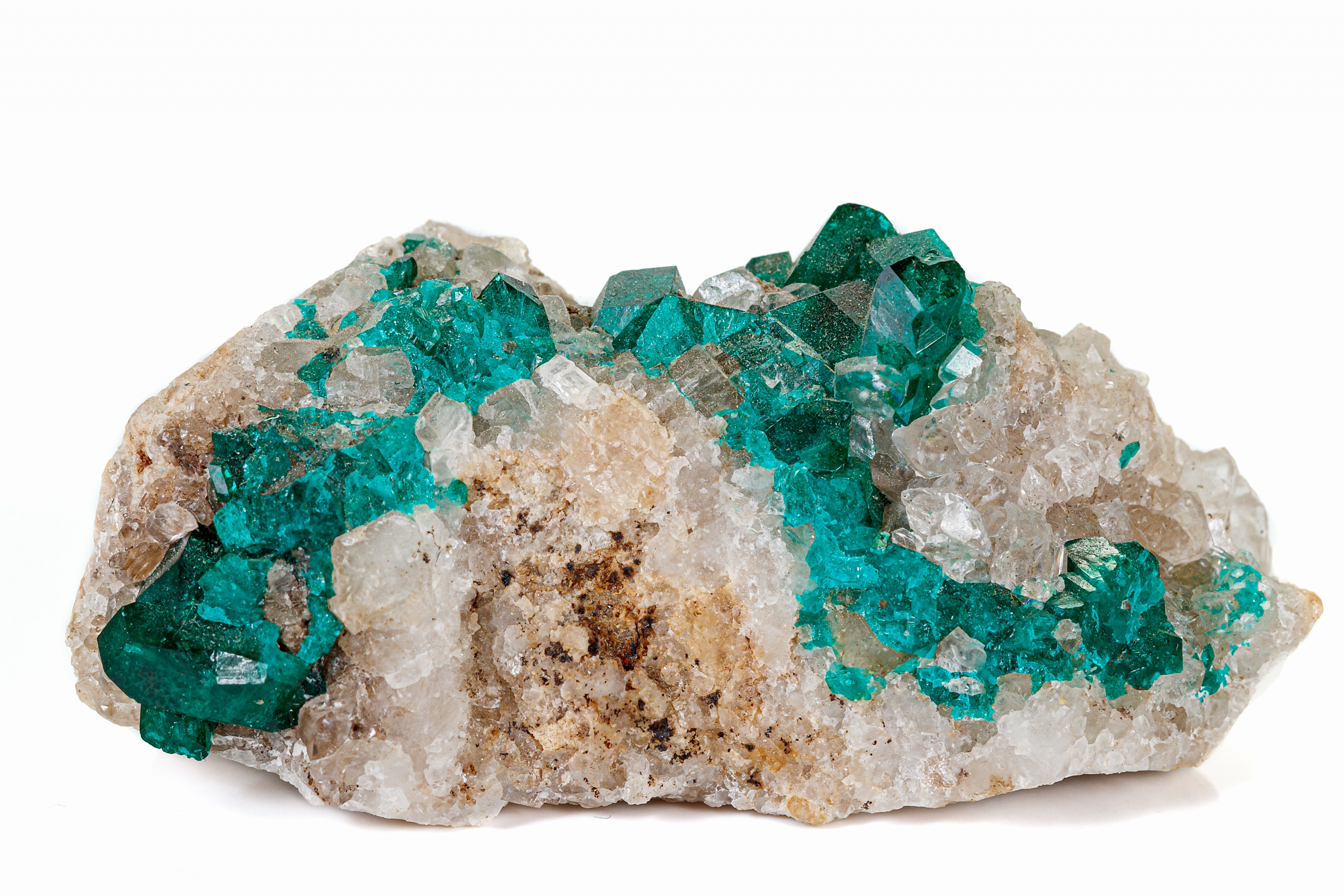

“Rockhound” sounds like it should be an old word, something with roots stretching back to nineteenth-century prospecting. It’s actually a fairly modern coinage, and its rise tracks closely with the moment mineral collecting stopped being purely a professional or academic pursuit and became a mainstream hobby.
A twentieth-century word for an old activity
The term “rockhound” appears to have entered common use in the United States sometime in the 1920s and 1930s, borrowing “hound” in the sense already established by “news hound” or “camera hound,” someone enthusiastically, almost doggedly, pursuing a particular interest. Before the word existed, the activity itself, amateur mineral and fossil collecting, was already happening, but it lacked a casual, self-identifying label that separated hobbyists from professional geologists and miners.
From word to organized hobby
The term’s spread paralleled a real structural shift: the founding of local and regional gem and mineral clubs across the U.S. through the 1930s and 40s, the rise of affordable field guides, and eventually events at the scale of the Tucson show, all of which gave amateur collectors a genuine community and identity distinct from academic mineralogy. Our piece on rockhounding the Northeast covers the geology side of that same hobby; the word itself is really a marker of when mineral collecting became something ordinary people did on weekends rather than something reserved for trained specialists.
It’s a small linguistic footnote that tracks a genuinely significant shift, mineral collecting going from a niche professional activity to something popular enough to need its own casual, slightly self-deprecating name.