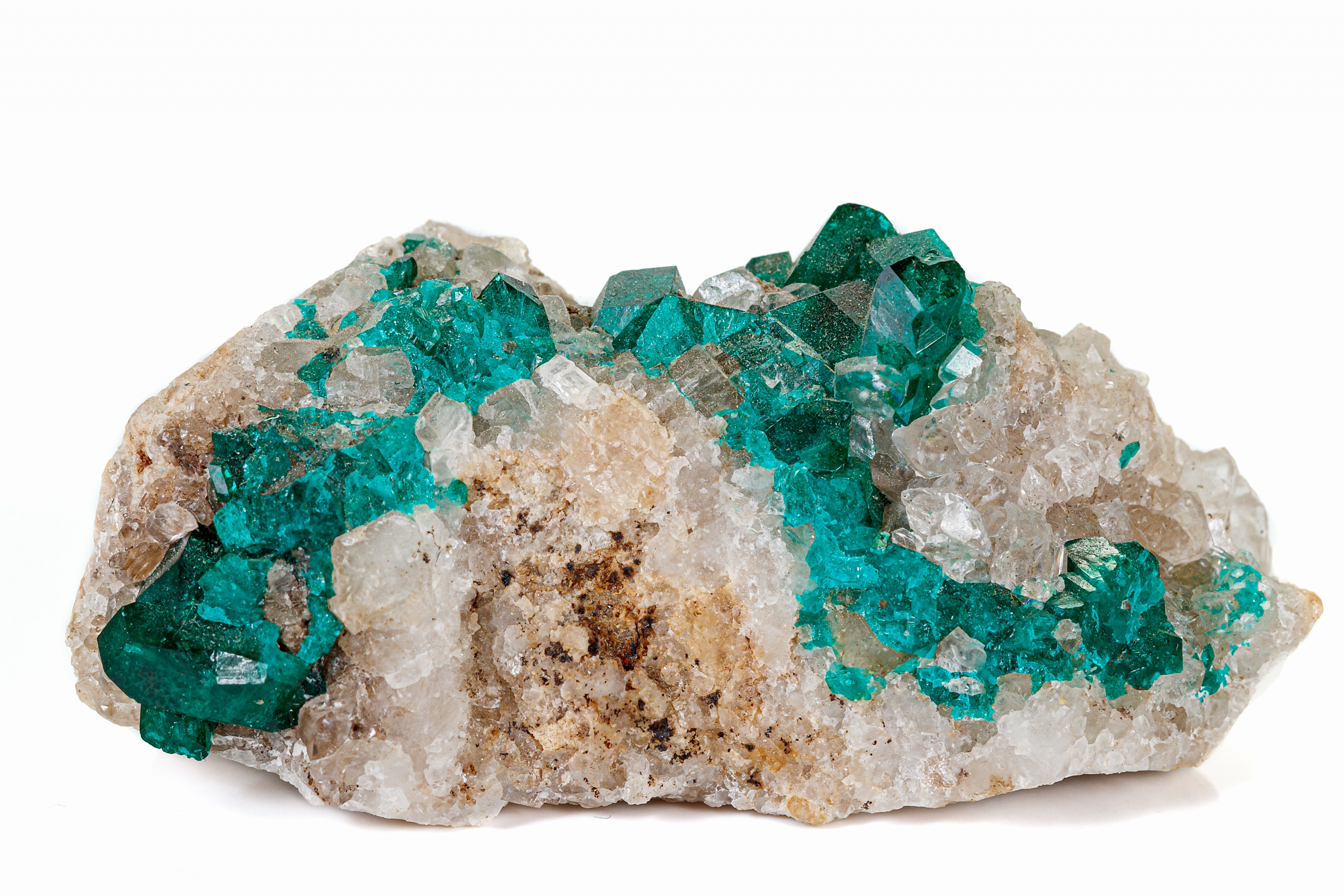

“Locality confirmed” sounds like a small detail on a specimen label, but for a serious collector it can be the single factor separating a modestly priced piece from a significantly more valuable one, even when two specimens are, mineralogically, identical.
What the phrase is actually claiming
A confirmed locality means a specimen’s origin, the specific mine, quarry, or site it was recovered from, is documented with enough reliability that a buyer isn’t simply taking a seller’s word for it: original collector’s field notes, a documented chain of custody through reputable dealers, or in some cases direct recovery records tied to a specific dig. It’s a meaningfully different claim from a general regional attribution, “New Jersey” is a much looser claim than “Prospect Park Quarry, Paterson, New Jersey,” and the gap between those two levels of specificity is often exactly where price differences come from.
Why it matters beyond curiosity
Confirmed locality data feeds directly into the same kind of geological reading covered in our piece on specimens without labels, scientists and serious collectors alike use precise locality information to compare mineral chemistry and crystal habit across known deposits, research that becomes impossible once a specimen’s origin is reduced to guesswork. It also protects buyers directly, a specimen’s claimed locality is one of the easier things to misrepresent, since two visually similar specimens can carry wildly different values depending on which mine actually produced them.
Paperwork won’t change what a mineral physically is, but it changes what can be said about it with confidence, and in a field where so much value rests on rarity and origin, that confidence is often worth as much as the specimen itself.