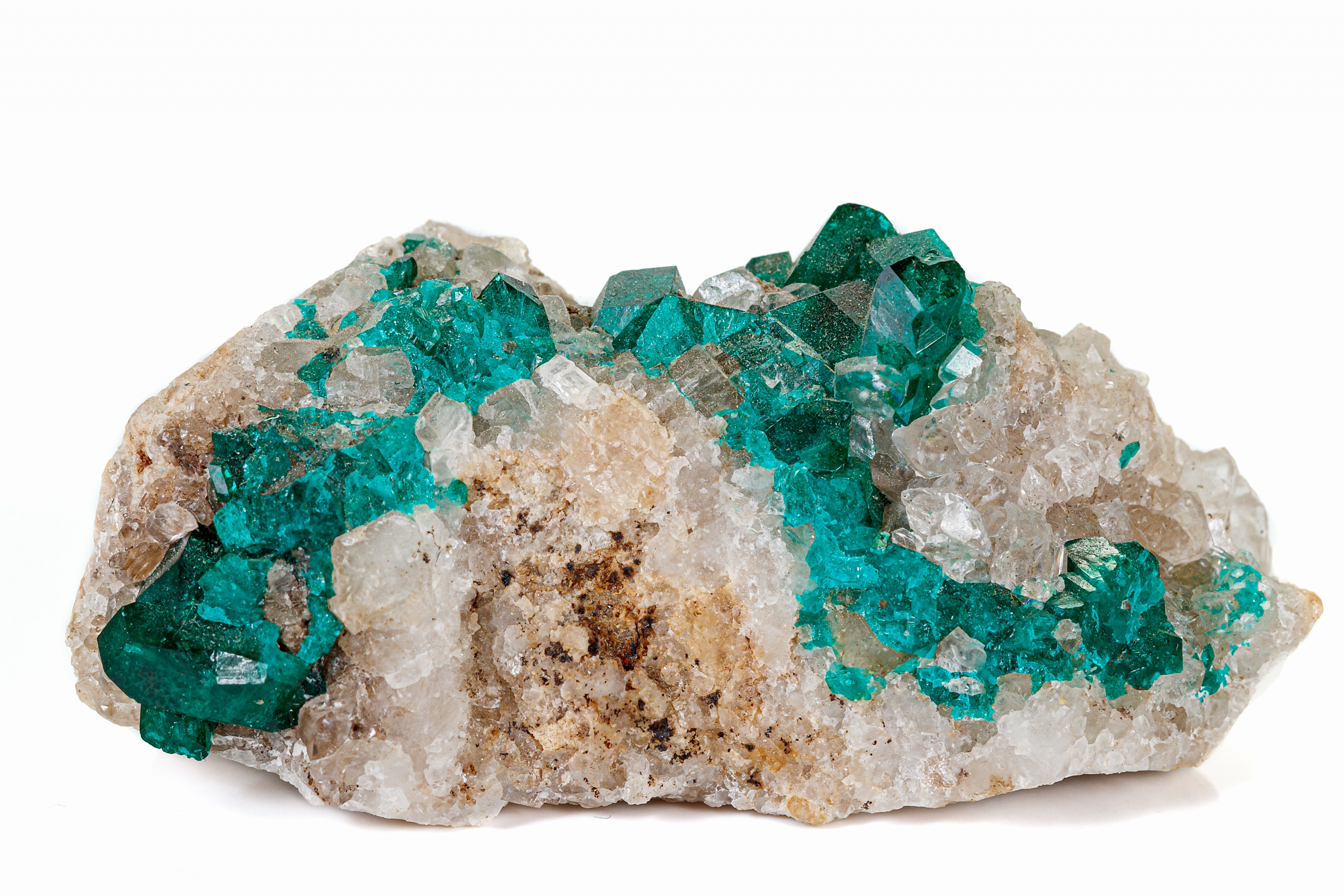

Every rock on the shelf, no matter how solid it looks, is really a temporary stop in an extremely slow, ongoing process. Geologists call it the rock cycle: an endless conversion between three fundamental rock categories, igneous, sedimentary, and metamorphic, that never fully stops, even if any individual step can take millions of years.
Three categories, one shared material
Igneous rock forms directly from cooled magma or lava, basalt among the more familiar examples. Given enough time at the surface, igneous rock weathers and erodes into sediment, which eventually compacts and cements into sedimentary rock. Bury that sedimentary rock deep enough, and heat and pressure transform it into metamorphic rock without ever fully melting it. Push a metamorphic rock even deeper, past the point where it melts outright, and it becomes magma again, ready to cool into new igneous rock and start the whole sequence over.
No step is guaranteed, or final
The cycle isn’t a strict one-way loop; any rock type can, under the right conditions, convert into either of the other two directly, sedimentary rock can melt straight into magma without ever becoming metamorphic first, and metamorphic rock can erode at the surface just like any other rock, feeding directly back into new sediment. Our piece on rock, mineral, and crystal terminology covers the basic vocabulary the cycle depends on; this is really the process that vocabulary is describing in motion.
Nothing in a mineral collection is exempt from the cycle, it’s just that most specimens are being observed at a single frozen moment in a process that, given enough geologic time, would eventually carry every one of them somewhere else entirely.