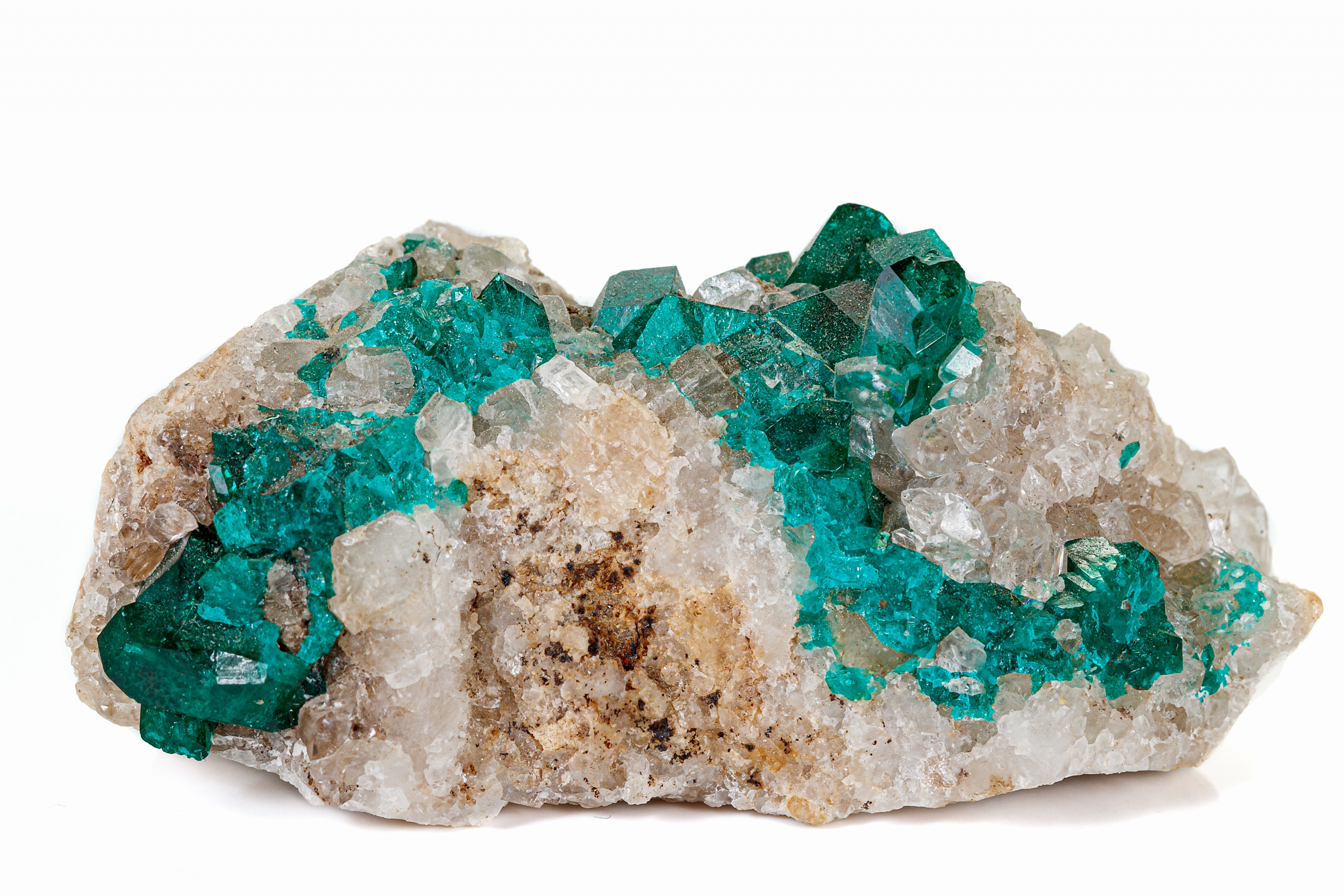

Long before mica specimens were sold for their sparkle, the mineral had a much less decorative career: as the standard material for stove windows, electrical insulation, and vacuum tube components, prized for a set of physical properties that have nothing to do with how it looks on a shelf.
A near-perfect insulator that splits into sheets
Mica’s defining industrial properties, the same perfect basal cleavage that lets it peel into thin, flexible sheets, come paired with genuinely excellent electrical insulation and remarkable heat resistance, mica doesn’t burn, melt, or conduct electricity even at temperatures that would destroy most other materials. That combination made thin mica sheets, once commonly called “isinglass,” the standard transparent window material for wood and coal stoves for generations, heat-resistant and transparent in a way ordinary glass of the era often wasn’t reliable enough to match.
From stoves to circuit boards
Mica’s insulating properties carried it directly into the electronics era: early capacitors, vacuum tubes, and electrical components relied heavily on thin mica sheets as an insulating layer, and specialized mica-based capacitors remain in use today in applications that demand extreme stability and reliability. The mica specimen in this shop’s inventory, and lithium-bearing varieties like lepidolite, both belong to the same broader mica family that quietly insulated much of the twentieth century’s electrical infrastructure before most of that role shifted to synthetic plastics.
It’s a mineral whose collector appeal, the sparkle, the books of layered crystal, the occasional included tourmaline, is really a secondary discovery layered on top of a much longer industrial career most buyers never think about.