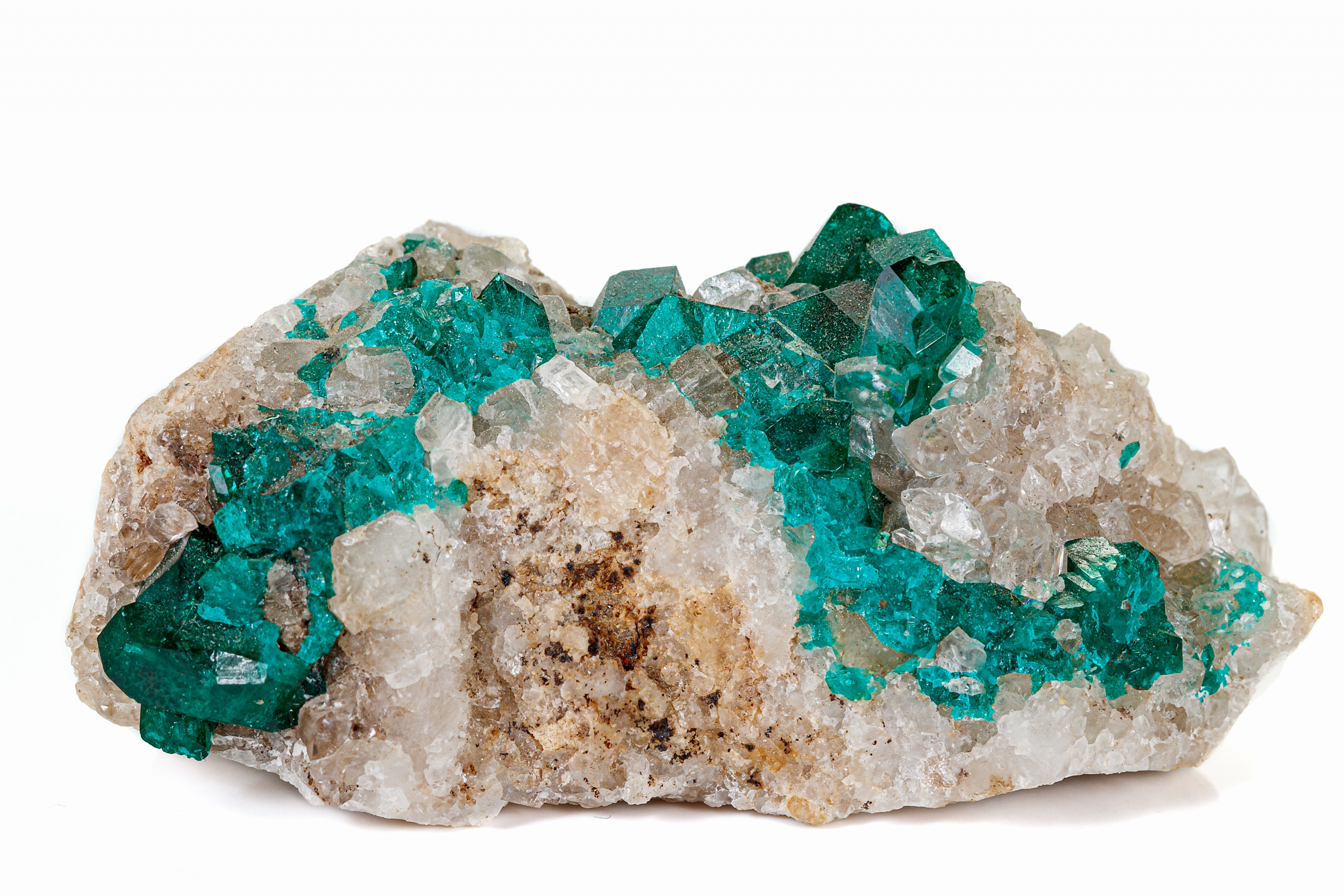

Every February, a city of about half a million people in the Arizona desert becomes, briefly, the center of the entire global mineral and gem trade, as more than 45 separate shows spread across Tucson’s hotels, convention centers, and parking-lot tents host dealers from dozens of countries.
How a mineral show became a month-long event
The Tucson Gem, Mineral & Fossil Showcase traces back to a single small show organized by the Tucson Gem and Mineral Society in 1955, originally little more than a local club exhibition. Its growth into the scale it reached by the 1980s and beyond came from geography as much as anything else, Tucson sits reasonably close to major mineral-producing regions of Mexico and the American Southwest, and its winter climate made it an appealing off-season destination for a trade that otherwise runs on a scattered international show circuit.
What actually happens there
Today’s event isn’t one show but dozens of independently run ones, ranging from the flagship convention-center exhibition, heavy on museum-quality specimens and educational displays, to sprawling wholesale tent shows where dealers move material by the truckload, alongside gem and jewelry-focused shows catering to an entirely different buyer than the mineral specimen crowd. Material recovered from localities like Chihuahua, Mexico, often makes its first stop in the U.S. market at Tucson, close enough to the border that the trade route is a fairly short one.
For two weeks each winter, more specimens change hands in Tucson than anywhere else on Earth, which makes the show less a single event than a genuine annual census of what the world’s mines, quarries, and collectors currently have to offer.