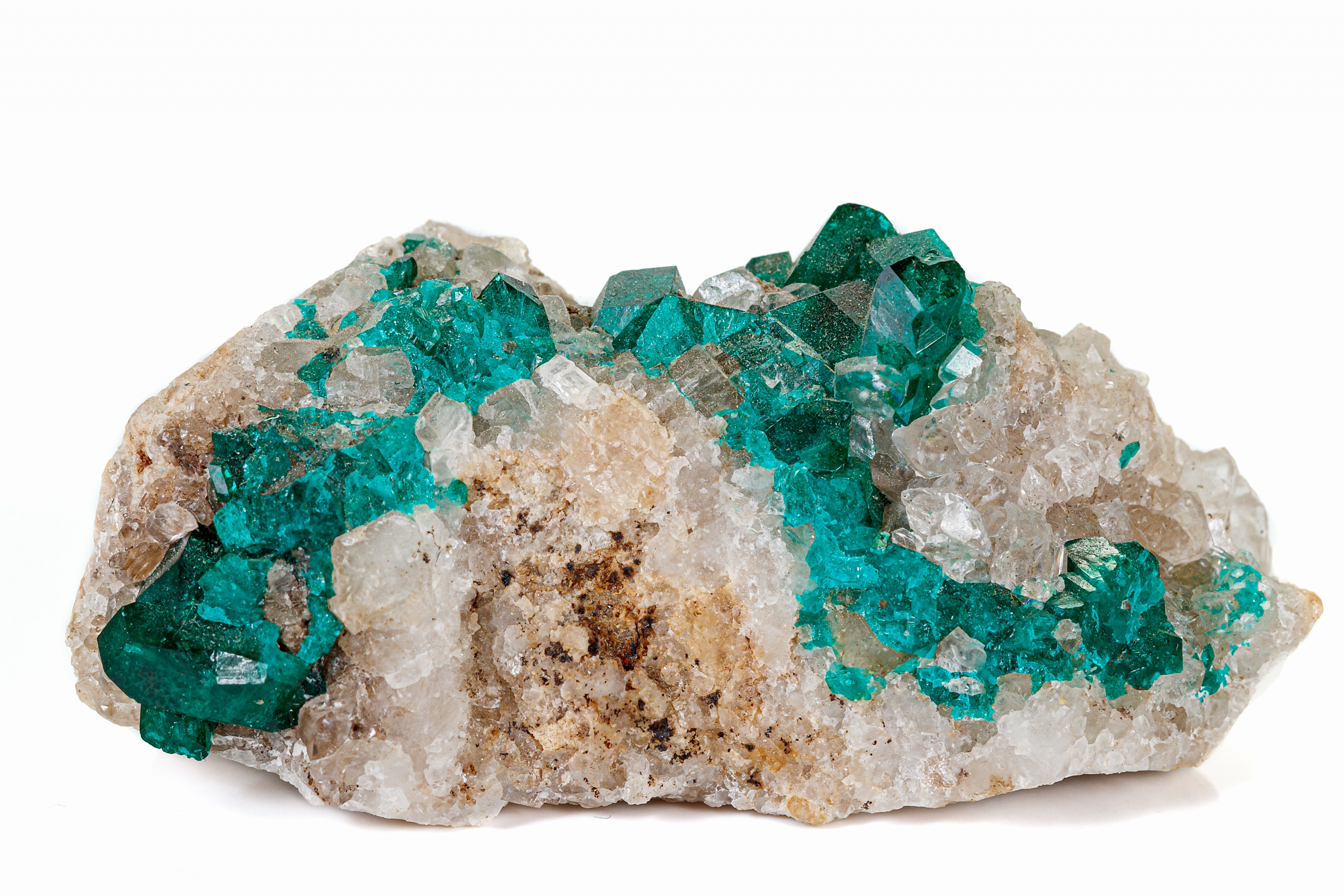

A mineral’s color on the outside and the color it leaves behind when crushed to powder aren’t always the same thing, and for some minerals they’re dramatically different, which is exactly why the streak test remains one of the more reliable identification tools even though it destroys a tiny bit of the specimen to use it.
Powder tells the truth color sometimes hides
To run a streak test, a mineral is scraped across a piece of unglazed porcelain, a “streak plate,” and the color of the powder line left behind is compared to the mineral’s surface color. Pyrite looks brassy gold but streaks greenish-black. Hematite can appear black, silver-gray, or reddish-brown depending on the specimen, but it always streaks a consistent reddish-brown, which is why streak is often more diagnostic than surface color for iron oxide minerals specifically. Color varies with impurities, particle size, and surface weathering; the finely powdered streak is much closer to a mineral’s true, consistent light-absorbing behavior.
A test with limits
The streak test only works reliably on minerals softer than the porcelain streak plate itself, roughly 7 on the Mohs scale. Quartz and anything harder scratches the plate instead of leaving a powder mark, which means streak is really a tool for the softer half of the Mohs scale, not a universal test. Metallic-luster minerals also tend to give the most genuinely diagnostic streaks; many non-metallic minerals streak white or colorless regardless of their surface color, which narrows things down less than it might seem.
Used alongside hardness, cleavage, and luster, it’s one more independent data point, and for a handful of minerals, iron oxides especially, it’s often the single fastest way to get a confident identification.