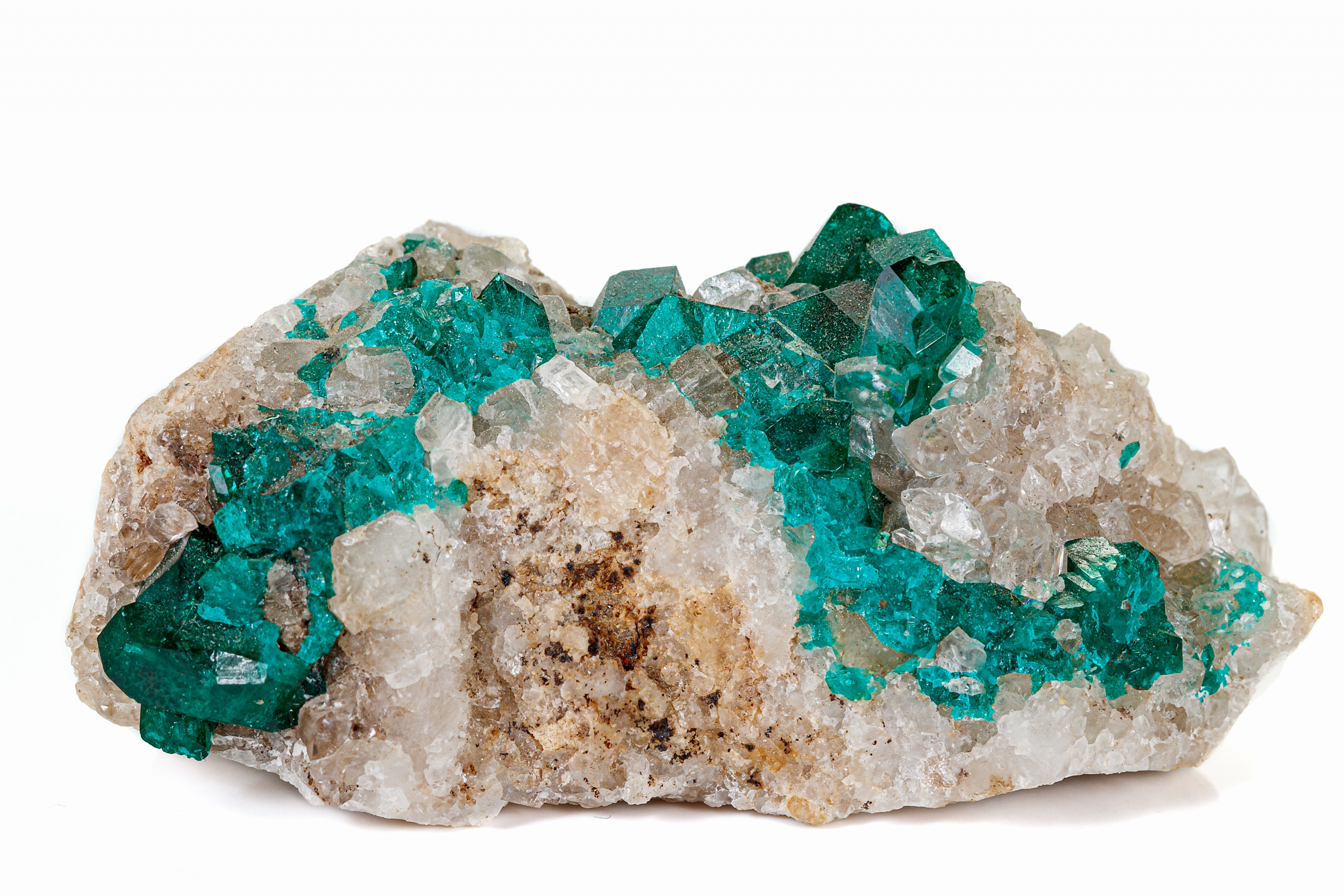

Sulfur is unusual among specimens on a shelf for a specific reason: it’s not a compound of two or more elements the way quartz or calcite is, it’s a native element, pure sulfur atoms bonded only to each other, with nothing else in the formula.
An element that still forms crystals
Native sulfur crystallizes in the orthorhombic system, typically as bright yellow, resinous, well-formed crystals, most commonly around volcanic fumaroles and hot springs where sulfur-bearing gases cool and deposit the element directly, or in sedimentary settings where bacteria reduce sulfate minerals and leave elemental sulfur behind as a byproduct. Both are genuinely different formation stories arriving at the same simple chemistry, one volcanic and immediate, the other biological and slow.
Soft, brittle, and famously flammable
Sulfur is soft, around 2 on the Mohs scale, and notably brittle for a crystal that looks fairly substantial, a combination that makes well-preserved sulfur crystal specimens genuinely harder to collect and transport intact than their appearance suggests. It’s also the raw material behind one of the oldest chemical uses on record, gunpowder, sulfuric acid, and match heads all trace back to elemental sulfur, and volcanic sulfur deposits were mined commercially for centuries before synthetic production methods took over.
Only a small number of minerals occur as pure, uncombined elements rather than compounds, gold, copper, and sulfur among the more familiar examples, and each ended up on that short list for a different reason: gold because it resists chemically bonding with almost anything under normal conditions, sulfur because volcanic and bacterial processes both happen to produce it in elemental form directly, without ever needing to pair up with another element first.